Hot melt adhesive (HMA) is a solvent-free thermoplastic bonding system widely used in high-speed industrial manufacturing. Unlike water-based or reactive adhesives, HMA achieves bonding through rapid cooling and solidification, making it ideal for automated production lines.
This efficiency makes them indispensable for high-speed production lines where “set time” is measured in seconds rather than minutes. From the automated sealing of corrugated packaging to the intricate lamination of non-woven fabrics in hygiene products, hot melt technology provides a versatile, cost-effective, and a lower-emission alternative to many solvent-based adhesive systems to traditional solvent-based bonding.
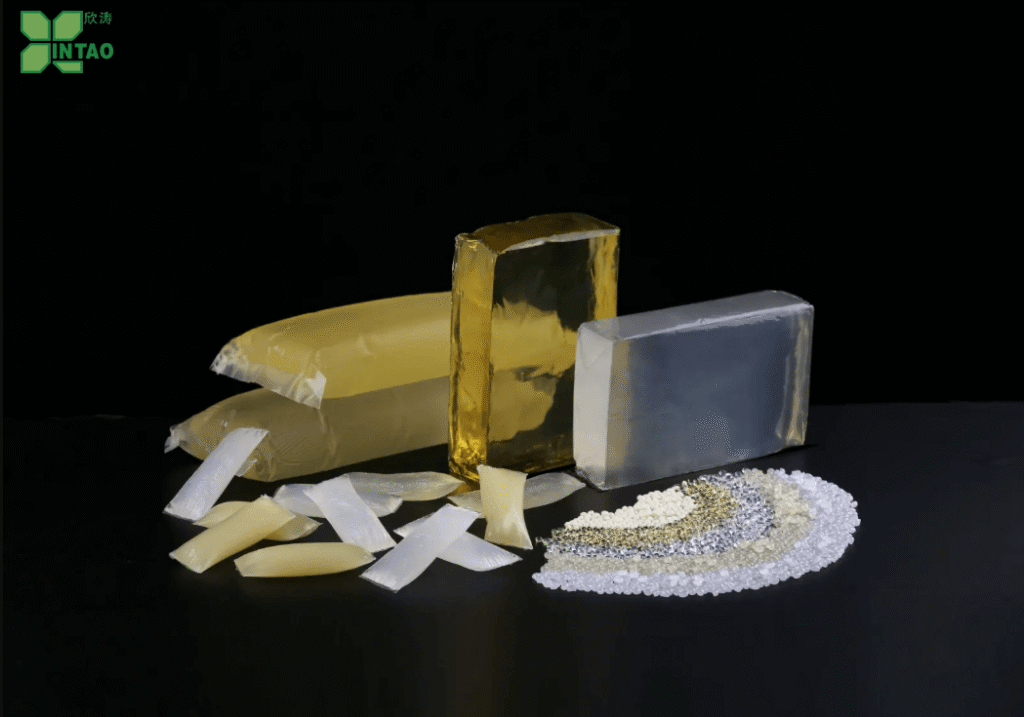
The Chemistry of Adhesion: What Defines a Hot Melt?
To understand how a hot melt adhesive performs under industrial stress, one must look at its formulation. Most industrial hot melts are composed of three primary functional components:
- Polymers (30%–50%): The “backbone” of the adhesive. It provides strength, flexibility, and heat resistance. Common polymers include Ethylene Vinyl Acetate (EVA), Polyolefins (PO), and Styrenic Block Copolymers (SBC).
- Tackifying Resins (30%–40%): These determine the “grab” or initial “tack” of the adhesive. They allow the molten glue to wet the surface of the substrate effectively.
- Waxes (20%–30%): Wax controls the viscosity and the “set speed.” It ensures the adhesive flows through application nozzles and hardens at the desired rate.
In high-performance environments, additives like antioxidants are included to prevent the adhesive from charring or degrading when held at high temperatures in a melting tank for extended periods.
Industrial Classifications: SBC, EVA, and Beyond
Not all hot melts are created equal. Engineers select formulations based on the specific mechanical requirements of the end product.
Styrenic Block Copolymers (SBC) Adhesives
SBC-based hot melts, including SIS (Styrene-Isoprene-Styrene) and SBS (Styrene-Butadiene-Styrene), are the gold standard for Pressure Sensitive Adhesives (PSA). Unlike standard hot melts that turn hard and brittle, SBC hot melt adhesives remain tacky even after cooling. This makes them ideal for labels, tapes, and the assembly of elastic components in the hygiene industry. Their high cohesive strength and excellent low-temperature flexibility set them apart in demanding logistics environments.
Ethylene Vinyl Acetate (EVA)
EVA is the most common general-purpose industrial hot melt. It is widely used in paper, board, and wood industries. Its primary advantage is its ability to bond to a wide range of cellulosic materials over a broad temperature spectrum.
Metallocene Polyolefins (mPO)
A newer class of HMA, metallocene adhesives offer superior thermal stability. They are less prone to “charring” in the glue tank, which significantly reduces maintenance costs and nozzle clogs in automated packaging lines.
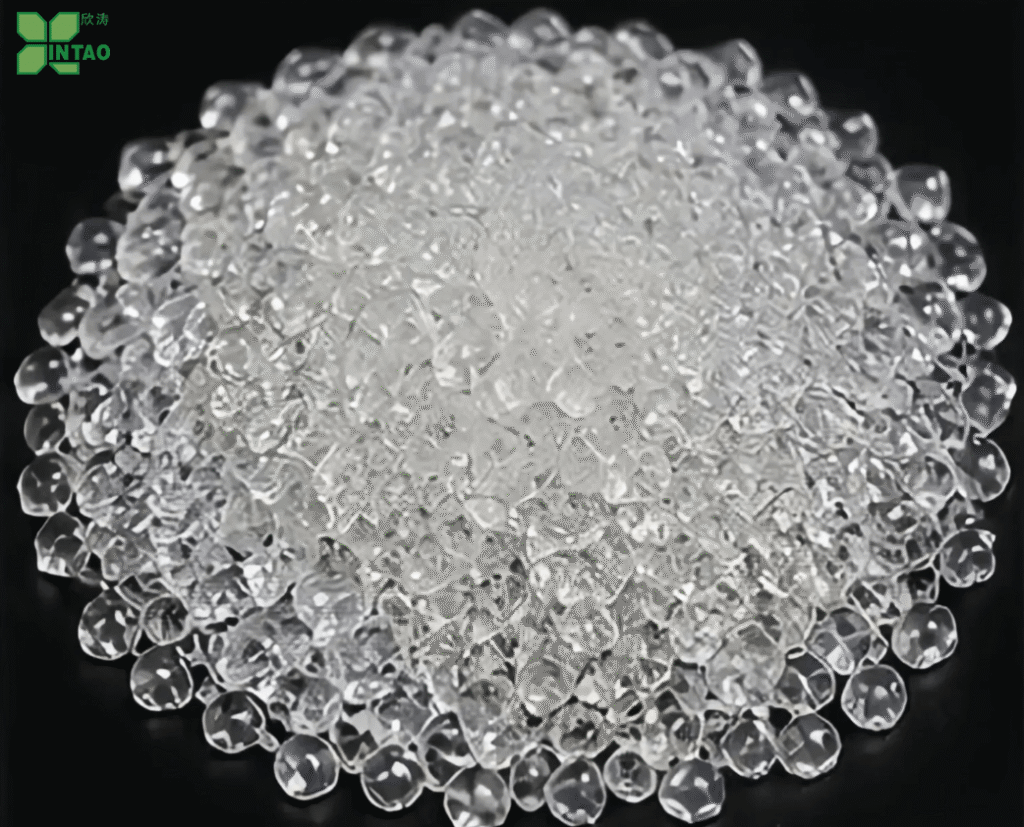
Critical Performance Metrics for Manufacturing
When integrating hot melt into an OEM or packaging workflow, manufacturing consultants focus on four technical parameters to ensure bond reliability:
- Viscosity: This dictates how the adhesive flows. Low-viscosity adhesives are preferred for high-speed “spray” applications, while high-viscosity formulations are used for “bead” applications where gap-filling is required.
- Open Time: The maximum interval after application during which a reliable bond can be formed. If a production line moves slowly, a “long open time” adhesive is mandatory.
- Set Time: The duration required for the adhesive to reach enough internal strength to hold the substrates together. In high-speed bottling, a set time of less than 1 second is often required.
- Service Temperature (SAFT): The Shear Adhesion Failure Temperature (SAFT) measures the limit at which the bond will fail under load due to heat. This is critical for products shipped in non-climatized shipping containers.
Primary Industrial Application Scenarios
Hot melt adhesives have replaced mechanical fasteners and liquid glues in several key sectors due to their “instant bond” capability:
- End-of-Line Packaging: Sealing corrugated cases and cartons. The rapid set time allows for immediate palletizing.
- Product Assembly (White Goods & Electronics): Used for wire tacking, gasket sealing, and vibration dampening where a non-conductive bond is required.
- The Footwear Industry: Bonding soles to uppers. SBC-based adhesives are often used here for their flexibility and resistance to mechanical fatigue.
- Non-Woven & Hygiene: The assembly of diapers and feminine care products requires specialized hot melts that can bond thin plastic films to absorbent fibers without bleed-through.
Evaluating Substrate Compatibility
A common mistake in industrial procurement is overlooking the “surface energy” of the materials being bonded. Low-surface-energy (LSE) plastics like Polypropylene (PP) or Polyethylene (PE) are notoriously difficult to bond.
In these instances, a standard EVA hot melt may fail. Engineers will instead specify an SBC-based or Polyolefin-based adhesive that has been chemically tuned to “wet” these difficult surfaces. Before full-scale production, it is standard practice to perform “peel” and “shear” tests according to ASTM standards to verify that the bond exceeds the structural integrity of the substrate itself.
The Role of Application Equipment
The performance of a hot melt adhesive is inextricably linked to the hardware used to apply it. Industrial systems typically consist of:
- Melter Unit: A tank that converts solid pellets or blocks into a liquid.
- Heated Hoses: To maintain precise temperature control from the tank to the head.
- Applicator Heads: These can be contact (slot die) or non-contact (spray or bead nozzles).
Proper temperature calibration is essential. If the temperature is too low, “stringing” or “tailing” occurs, leading to messy applications. If too high, the adhesive may suffer thermal degradation, compromising the chemical bond.
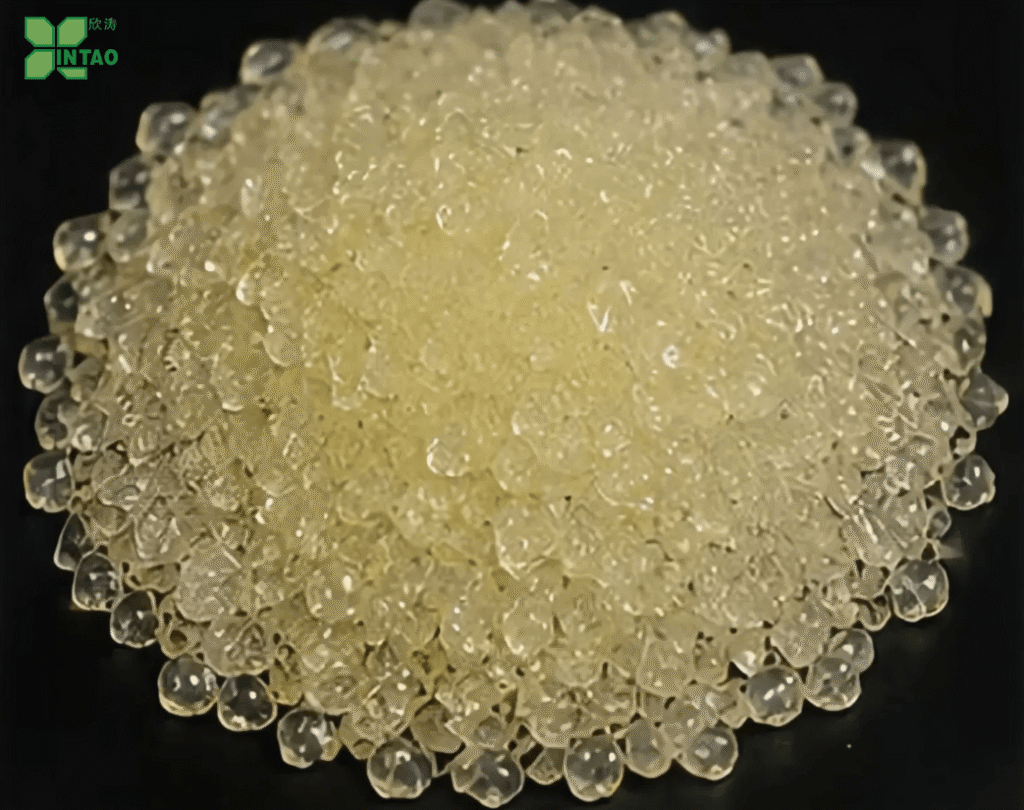
How to Select the Right Hot Melt Adhesive
| Application | Recommended Chemistry |
|---|---|
| Carton sealing | EVA / PO |
| Labels | SBC PSA |
| PP film bonding | PO / modified SBC |
| Hygiene products | SBC |
| Wood assembly | EVA |
| Cold environment | SBC |
Looking for a Custom Formulation for Your Production Line?
While standard hot melt adhesives can meet many common bonding requirements, some industrial applications require customized formulations to achieve optimal performance. Factors such as substrate compatibility, operating temperature, bonding speed, flexibility, and environmental conditions can significantly affect adhesive performance.
At Xintao HotMelt (欣涛), we operate a 3,000㎡ CNAS-accredited national laboratory dedicated to developing customized adhesive solutions. Our technical team works closely with customers to custom-engineer adhesive matrices tailored to specific substrate characteristics and temperature requirements, helping manufacturers improve bonding reliability, production efficiency, and overall product performance.
Whether you need adjustments in adhesion strength, heat resistance, open time, or processing characteristics, Xintao HotMelt provides professional formulation support to help you find the right hot melt adhesive solution for your application.
Stay Connected with Xintao Hotmelt:
Want to stay updated on adhesive technology, industry insights, and manufacturing innovations? Follow us on LinkedIn Page / Standalone Website App Page for our latest technical engineering updates and product releases.
FAQ
Q: What is the shelf life of industrial hot melt adhesive?
A: Most HMA products have a shelf life of 12 to 24 months if stored in a cool, dry environment. Unlike liquid glues, they do not “dry out” because they contain no water or solvents; however, they can be affected by extreme humidity or dust contamination.
Q: Can hot melt adhesives be reused?
A: While HMAs are thermoplastic and can be remelted, it is not recommended to “recycle” adhesive that has been held at high temperatures for long periods. Doing so introduces charred particles and degraded polymers into the system, which can clog nozzles and weaken bond strength.
Q: Is hot melt adhesive waterproof?
A: Generally, yes. Once solidified, hot melts are highly resistant to moisture. However, their performance in submerged environments depends on the specific polymer base. SBC and Polyolefin types typically offer excellent moisture barriers.
Q: Why is my hot melt adhesive turning yellow/brown in the tank?
A: This is usually a sign of thermal oxidation (charring). It happens when the adhesive is kept at application temperature for too long without being used, or if the temperature setting is too high. Using metallocene-based adhesives or reducing tank temperatures during downtime can mitigate this.
Reference Sources
- ASTM D4498: Standard Test Method for Settlement Temperature of Hot-Melt Adhesives Under Shear.
- Adhesives and Sealants Council (ASC): Technical guides on Thermoplastic Polymers and SBC formulations.
- SGS Laboratory Services: Performance testing for industrial bonding agents and chemical compliance.
- ISO 9001 Manufacturing Standards: Quality management systems for adhesive production and consistency.