Selecting a hot melt adhesive (HMA) is no longer a simple choice of finding the cheapest glue that sticks. In modern manufacturing—where line speeds exceed 100 cycles per minute and global shipping exposes packaging to extreme temperature fluctuations—the chemical backbone of your adhesive determines your project’s success or failure.
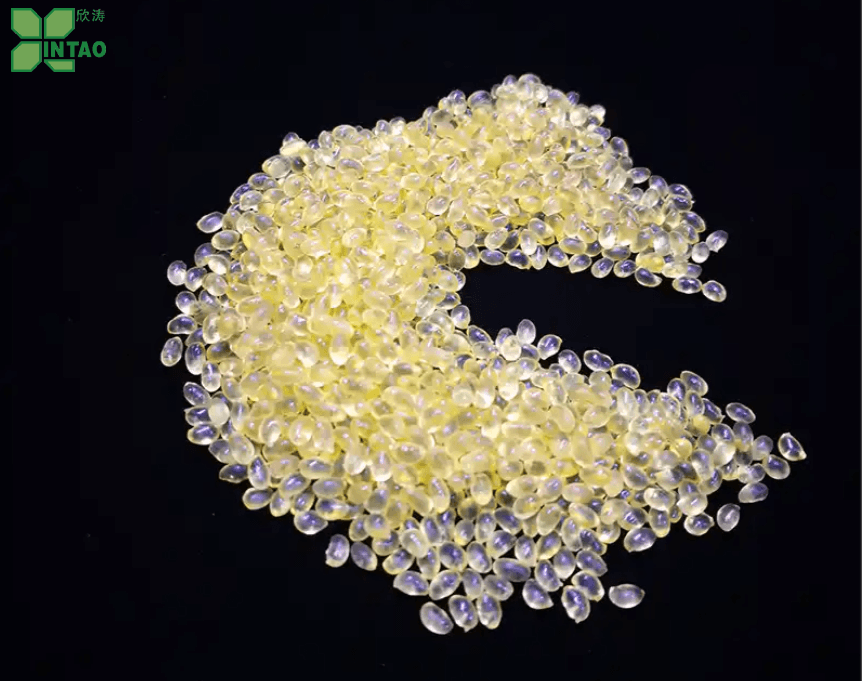
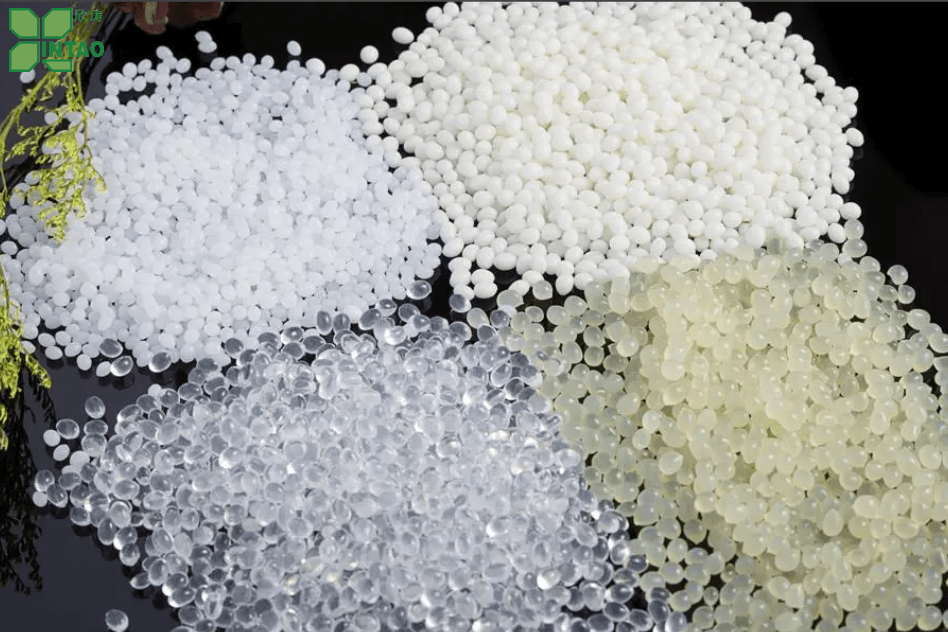
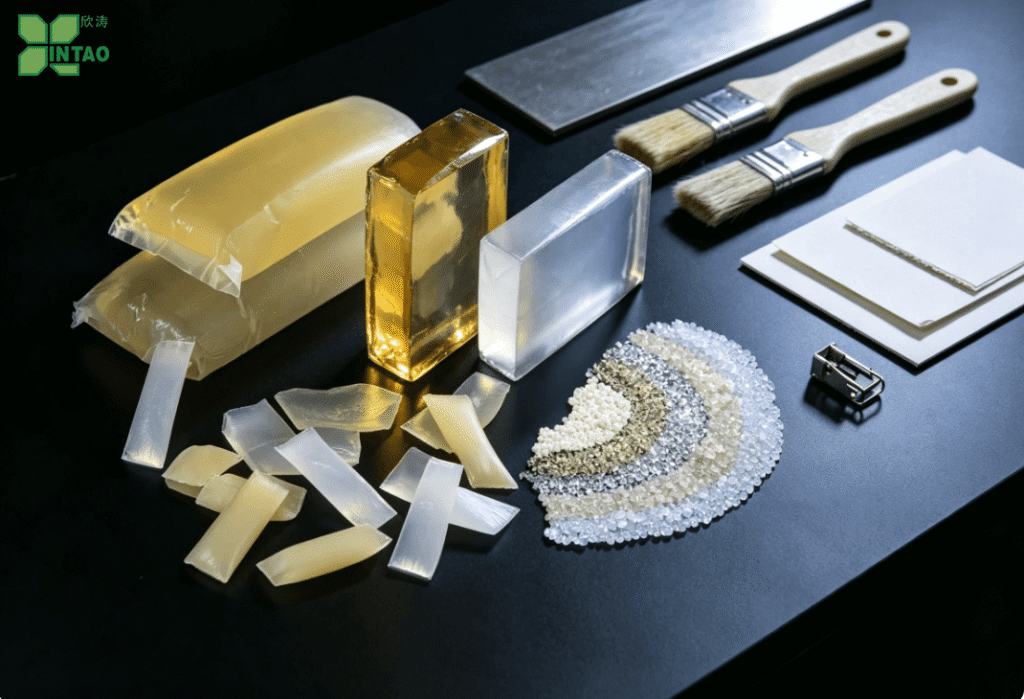
The three primary chemistries dominating the industrial market are Ethylene Vinyl Acetate (EVA), Polyolefin (PO), and Styrenic Block Copolymers (SBC). While they may look similar in pellet or block form, their molecular structures dictate vastly different performance profiles regarding open time, thermal stability, and substrate compatibility.
Executive Summary: The Quick Selection Logic
For procurement managers and production engineers, the choice generally follows these technical drivers:
- Choose EVA for cost-sensitive, high-volume packaging where substrates are standard paperboard and temperature extremes are minimal.
- Choose PO (Polyolefin) for difficult substrates (recycled board, coated plastics), high-heat environments, or where reducing equipment maintenance (charring) is a priority.
- Choose SBC for applications requiring permanent tack, pressure sensitivity (PSA), or bonding to low-surface-energy plastics in the hygiene and labeling sectors.
Technical Comparison: EVA vs. PO vs. SBC
| Feature | EVA (Ethylene Vinyl Acetate) | PO (Polyolefin / Metallocene) | SBC (Styrenic Block Copolymers) |
| Primary Benefit | Versatility & Lower Initial Cost | High Thermal Stability & Mileage | Permanent Tack (Pressure Sensitive) |
| Thermal Stability | Moderate (Prone to charring) | Excellent (Clean running) | Good (Oxygen sensitive) |
| Adhesion Power | Standard Porous Substrates | Low Surface Energy / Recycled | Plastics, Films, Non-wovens |
| Service Temp | -10°C to 50°C | -40°C to 70°C+ | Variable (High creep resistance) |
| Set Speed | Fast to Medium | Very Fast | N/A (Remains tacky) |
1. EVA Hot Melt Adhesives: The Industrial Workhorse
EVA hot melt adhesives have been the industry standard for decades. Composed of ethylene (for strength) and vinyl acetate (for adhesion and flexibility), the performance of EVA is dictated by its VA content.
Engineering Strengths:
- Wide Formulation Range: By adjusting the VA percentage, manufacturers can create adhesives ranging from “fast-set” for high-speed carton sealing to “long-open-time” for manual assembly.
- Adhesion to Cellulose: EVA excels at bonding to standard paper, corrugated fiberboard, and wood.
Manufacturing Constraints:
The primary weakness of EVA is thermal oxidation. When kept at application temperatures (150°C–180°C) for extended periods, EVA degrades. This results in “char”—carbonized bits that clog filters and nozzles, leading to unplanned downtime.
2. Polyolefin (PO) Adhesives: The High-Performance Evolution
Often referred to as Metallocene or APAO, Polyolefin hot melts represent a significant leap in polymer science. They are engineered to solve the “charring” and “mileage” issues inherent in EVA.
Engineering Strengths:
- Extreme Thermal Stability: PO molecules are highly saturated and resistant to oxidation. You can leave PO in a melt tank for days without significant viscosity changes.
- Superior “Mileage”: PO adhesives typically have a lower density than EVA. Engineering teams at Xintao HotMelt often find that clients can achieve a 15–20% reduction in adhesive consumption per bond due to this higher yield.
- LSE Bonding: If you are working with recycled corrugated board or wax-coated surfaces, PO provides the “bite” that EVA lacks.
- Engineering Insight: “Switching from EVA to PO isn’t just about glue—it’s about reducing line downtime and spare part wear.” — Jenny Fufs, Head of International Business at Xintao.HotMelt
- Have questions about your line speed or nozzle charring? Connect with Jenny on LinkedIn for real-time technical advice.
3. SBC Hot Melt Adhesives: The Pressure-Sensitive Specialists
Unlike EVA and PO, which transition from a liquid to a solid “glassy” state, SBC hot melts remain permanently tacky. These are the foundation of Pressure Sensitive Adhesives (PSA).
Engineering Strengths:
- High Initial Tack: SBCs provide an immediate bond upon contact, making them essential for high-speed labeling and tape production.
- Flexibility and Elasticity: They can withstand significant mechanical stress and vibration without cracking, which is vital for disposable hygiene products or automotive interior trim.
Critical Selection Criteria for OEMs and Project Managers
When evaluating these three chemistries for your production line, consider the following environmental variables:
A. The “Char” Threshold and Maintenance
If your production involves frequent stops, an EVA system will eventually fail due to nozzle clogging. Polyolefin (PO) is the solution for “clean-running” requirements. By switching to PO, many plants report a 50% reduction in annual maintenance costs.
B. Substrate Complexity
- Virgin Kraft Paper: Use EVA.
- Highly Recycled Board / BOPP Film: Use PO.
- Non-Woven / PE Film / PSA Labels: Use SBC.
C. Environmental Stress
If a carton is being shipped in a container through extreme heat (65°C+), EVA may soften, leading to “pop-opens.” PO offers significantly higher heat resistance (SAFT), ensuring the bond remains intact under thermal load.
Conclusion: Making the Data-Driven Choice
The transition from EVA to PO or SBC is rarely about whether the adhesive can bond the material; it is about how the adhesive performs within the entire manufacturing lifecycle. As a specialized manufacturer, Xintao HotMelt focuses on optimizing these chemical formulations to match specific application speeds and substrate challenges.
- For General Packaging, EVA remains the standard for its balance of cost and utility.
- For Complex/Recycled Substrates, PO is the modern engineer’s choice to reduce waste.
- For Permanent Tack and Elasticity, SBC is the undisputed leader.
Need Technical Advice for Your Production Line?
Choosing the exact hot melt adhesive grade depends on your line speed, open time, and specific substrate requirements. Our application engineers are here to help you optimize formulation, reduce adhesive consumption, and eliminate equipment downtime.
Get Started with Xintao HotMelt:
Request Technical Consultation (Explore our CNAS lab testing capabilities & custom formulations)
Request Free Samples (Get product samples & TDS for your packaging or assembly line)
Follow Xintao Chemical on LinkedIn (Join our network for weekly engineering guides & factory updates)
FAQ
Q: Can I mix EVA and PO in the same melt tank?
A: It is not recommended. While they are both hot melts, their chemical bases can be incompatible, leading to gelation in the tank. Always perform a full system flush when switching chemistries.
Q: Does Polyolefin really save money if the price per kg is higher?
A: Yes, in most high-volume applications. Savings come from lower density (more volume per kg), thinner bead application, and significantly lower costs associated with spare parts and downtime.
Q: Which adhesive is best for cold storage (freezer grade) packaging?
A: Polyolefin (PO) typically offers the best low-temperature flexibility. EVA becomes brittle at sub-zero temperatures, which can lead to bond failure when the package is handled.
Reference Sources
- ASTM D4498: Standard Test Method for Settlement Temperature of Hot-Melt Adhesives.
- ISO 9001:2015: Quality management systems in adhesive manufacturing.
- Technical Whitepaper: “Thermal Stability of Metallocene Polyolefins vs. EVA,” Industry Association of Adhesives & Sealants.